Poultry Breeding
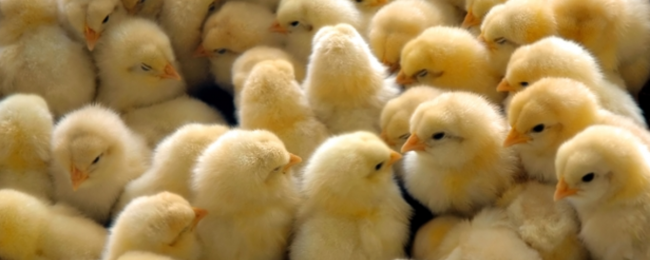
Poultry Breeding Industry : Bangladesh
At present seven companies have Grand Parent stock (GP) Farms that are meeting demand of Day-old Parent stock chicks (PS) in the country. The companies are:
Bangladeshi Companies:
- Aftab Bahumukhi Farms Ltd
 AG GP Ltd.
- Kazi Farms Ltd.
- Nahar Agro Grand Parents
- Nourish Poultry & Hatchery Ltd.
- Paragon Group
- Rashik GP Hatchery Ltd.
Multinational Company:
- CP-Bangladesh
Name & Location of GP Farms
- Aftab GP Farms Ltd., Khaleker vanda, Sararchar, Bajitpur, Kishoregonj
- Aftab GP Farms Ltd., Niyajpur, Rajigaon, Habigonj
- Aftab GP Ltd., Horhoria, Bahubal, Habigonj
- AG GP Ltd., Vill: Char Aman Ullah, Upazila: Subornochar, Dist: Noakhali
- Attreye Poultry Ltd., Ganjabari, Panchaghar Sadar, Panchaghar
- CP Bangladesh Co. Ltd., Daxin Harirampur, Parbotipur, Dinajpur
- CP Bangladesh Co. Ltd., Daxin Boratipur, Ranigonj, Ghoraghat, Dinajpur
- CP Bangladesh Co. Ltd., Bajitpur, Nababgonj, Dinajpur
- CP Bangladesh Co. Ltd., Gangaprashad, Fulbari, Dinajpur
- Kasila (Bangladesh)Limited, Charia, Hathazari, Chittagong
- Kazi Broilers Ltd., Sarkar Para, Tetulia, Panchaghar
- Kazi Grand Parent Ltd., Boirampur, Pirgonj, Thakurgaon
- Nahar Agro Grand Parent, Fotikchori, Chittagong
- Nourish Grand Parent Ltd., Bhoktoram, Notunhat, Boda, Panchaghar
- Nourish Grand Parent Ltd., 11 No. Koimari Union, Jaldhaka, Nilphamari
- Paragon Agro Ltd., Rajnagar, Moulvibazar, Sylhet
- Rashik GP Farms Ltd., Vimrulla, Chuadanga Sadar, Chuadanga
Government Enlisted GP Farms:
The Department of Livestock Services (DLS) has however enlisted 16 GP Farms located at Kishoregonj, Habigonj, Panchaghar and Dinajpur districts.
Govt. Enlisted GP Farms are:
- Aftab G.P. Farms Ltd. , Address: Khaleker Vanda, Sorerchar, Bajitpur, Kishoregonj. Registration # DLS/BBB-016 , Registration Date: 20/09/2010.
- Aftab G.P. Ltd., Address: Horhoria, Bahubal, Habigonj, Registration # DLS/BBB-24, Registration Date: 16/04/2012,
- Aftab G.P. Ltd., Address: Niajpur, Ranigaon, Habigonj. Registration # Habigonj/DLS-27, Registration Date: 12/05/2014.
- Atreyee Poultry Ltd., Gangabari, Panchaghar Sadar, Panchaghar, Registration # DLS/BBB-25, Date: 21/11/2013
- C.P. Bangladesh Co. Ltd., Address: Bajitpur, Nawabgonj, Dinajpur, Registration # DLS/BBD-020, Registration Date: 25/05/2011.
- C.P. Bangladesh Co. Ltd., Address: Gongaprashad, Phulbari, Dinajpur, Registration # DLS/BBD-26, Registration Date: 12/03/2014.
- C.P. Bangladesh Co. Ltd., Address: North Boratipur, Rajigonj, Ghoraghat, Dinajpur, Registration # DLS/BBD-019, Registration Date: 25/05/2011.
- C.P. Bangladesh Co. Ltd., Address: North Harirumpur, Parbortipur, Dinajpur, Registration # DLS/BBD-018, Registration Date: 25/05/2011.
- Kasila (Bangladesh)Limited, Address: Chokoria, Hathajari, Chittagong. Registration # Chatta-BBA-05. Registration Date: 15/01/2008.
- Kazi Broilers Limited., Address: Sarkarpara, Tetulia, Panchaghar. Registration # Pancha/DLS/BBA-006, Registration Date: 28/11/2007.
- Kazi Grand Parents Limited., Address: Boirampur, Pirgonj, Thakurgaon, Registration # DLS/BBB-21, Date: 25/03/2012,
- Nourish Grand Parents Ltd., Address: 11 Koimari Union, Jaldhaka, Nilphamari, Registration # DLS-27, Registration Date: 12/03/2014.
- Nourish Grand Parents Ltd., Address: Vondoram, Natunhat, Booda, Panchaghar. Registration # DLS/BBB-017, Registration Date: 12/04/2011.
- Paragon Agro Ltd., Address: Rajnagar, Moulvibazar. Registration # DLS/BBA-014, Registration Date: 22/02/2009.
- Rashik GP Hatchery Ltd., Address: Bhimrul, Chuadanga Sadar, Chuadanga. Registration # DLS/BBD-015 Registration Date: 25/04/2010.
- AG GP Ltd., Address: Vill: Char Amanullah, Upazila : Subarna char, Noakhali, Registration # DLS 29, Registration Date: 07/02/2017.
It should be mentioned here that with the growing demand of PS, the GP Farms are going on increasing their production. The number of GP farms are also increasing.
According to the Breeders Association of Bangladesh (BAB)- one hundred and Thirteen (113) companies are registered with this association which includes GP and PS farms. However, 206 PS farms/hatcheries are enlisted with the Department of Livestock (DLS).
BAB Enlisted Breeder Farms are:

- Abir Poultry Hatchery & Process Ltd.
- ACI Godrej Agrovet Private Limited
- Advanced Chicks Ltd
- Afil Agro Ltd.
- Aftab Bahumukhi Farms Ltd., Jahurul Islam Company
- Aftab G.P. Farms Ltd., Jahurul Islam Company
- Aftab Hatchery Ltd., Jahurul Islam Company
- Aftab Hatchery Northern Ltd. , Jahurul Islam Company
- AG Agro Industries Ltd.
- AHL Farms Ltd.
- Aman Breeders Ltd
- Aman Poultry & hatchery Ltd
- Aqua Breeders Limited
- Atrayee Poultry Limited
- Baly Chicken Hatchery & Poultry.
- Bangladesh Agro Farms Ltd.
- Bay Agro Ind. Ltd.
- Bay Chicks Ltd.
- Bhaluka Farms Limited
- Borshon Agro Ind. Ltd.
- BRAC Enterprise
- C.P. Bangladesh Co. Ltd
- Denm Poultry Complex (Pvt.) Ltd.
- Dola Agro Complex Ltd.
- Fresh Chicks Ltd.
- Gausia Poultry & Hatchery Ltd.
- Golden Hatchery Ltd.
- Green Valley Agro Complex Ltd.
- Himachal Farms Ltd.
- Hybird Farms Limited
- I Rahman Agro
- Index Agro Industries Limited.
- Jayson Breeders Ltd.
- jbiha Agro Ind. Ltd.
- Kasila (Bangladesh)Limited
- Kazi Breeders Limited.
- Kazi Demshimari Farms Limited.
- Kazi Farms Limited.
- Kazi Foods Limited
- Kazi Gangachara Farms Limited.
- Kazi Grand Parents Limited.
- Kazi Hatchery Limited
- Kazi Jaldhaka Farms Limited.
- Kazi Nijhuri Poultry Limited.
- M. M. Agha Limited
- M/S Kazi Nilphamary Farms Ltd
- Mak Hatchery Limited
- Mirsharai Poultry (Layer) Ltd.
- Mirsharai Poultry Farm Ltd.
- Mono Hatchery Ltd
- Nahar Agro Complex Ltd.
- Nandigram Kazi Poultry Limited.
- NAP Agro Limited
- National Hatchery (Pvt.) Ltd.
- New Hope Farm Bangladesh Ltd.
- Nil Poultry & Feed Mills Ltd.
- NilSagor Agro Ind. Limited.
- North Bengal Eggs Limited
- North Poultry (PVT.) Ltd (Layer Farm)
- Nourish Agro Ltd.
- Nourish Grand Parent Ltd.
- Nourish Poultry & HatcheryLtd.
- Nova Poultry & Hatchery Ltd.
- Oyster Hatchery Limited.
- Paharika Farms Ltd.
- Paragon Agro Ltd.
- Paragon Poultry Ltd.
- Peoples Poultry & Hatchery Ltd.
- Phoenix Hatchery Ltd.
- Planet Agro Ltd.
- Pocha Poultry and Feeds Ltd.
- Progressive Hatcheries & Poultry Farm.
- Provita Breeders Ltd.
- Provita Chicks Ltd.
- Provita Feed Ltd.
- Provita Hatchery Ltd.
- Quality Breeders Limited
- R. M. R. Poultry & Hatchery
- R.R.P Breeder Farm`s
- Rafid Poultry & Hatchery Ltd.
- Rangpur Poultry Ltd.
- Rashid Krishi Khamar Limited
- Rashik GP & Hatchery Ltd.
- Renata Ltd.
- Royal Bengal Chicken Limited
- S.B. Hatcheries Ltd.
- SGS Hatchery Complex Limited.
- Shalbahan Farms Ltd.
- Sunny Breeder's Ltd.
- Taragonj Hatchery Limited.
- Taragonj Hatchery Limited. (Unit-3)
- Tetulia Egg Limited
- The Bangladesh Hatcheries Ltd.
- Universal Poultry Hatcheries Ltd
- USHA Poultry Ltd.
- V. I. P. Shahadat Poultry & Hatchery
- Victor Breeders Ltd
- Willow Chicks.
- Willow Poultry & Hatchery Ltd.
- Zayeem Agro Industries Ltd
DLS enlisted PS farms are:
- A.K. Breeder Farm & Hatchery, Md. Abul Kalam, Vill: Char Elahi, Companigonj, Noakhali
- Abu Farm Ltd., Md. Ajharul Haq, Pakundia, Kishoregonj
- ACI Godrej Agrovet Ltd. Local Address: Panchaghar Sadar, Panchaghar
- ACI Godrej Agrovet Pvt. Ltd. M Anis Ud Dowla, Nogorhawla, Jainabazar, Gazipur
- Advance Agro Poultry & Hatchery, Md. Anwar Amin, Vill: Gazipalon, Sadar, Bogra
- Advance Poultry & Hatchery, Mf. Anwarul Azim, 7/13, Block: B, Lalmatia, Dhaka

- Advance Poultry Breeders Ltd. Dr. Md. Manzur Morshed, Vill: Lawdutta, Upazila: Islampur, Jamalpur
- Afil Agro Farm, Sheikh Afil Uddin, 4 Be-samorik Residential Area, Jessore Senanibas, Jessore
- Aftab Bahumukhi Farms Ltd., Md. Bazlur Rahman, Narandi, Pakundia, Kishoregonj
- Aftab Hatchery Ltd. Md.Abdul Rahman, Moshua, Pakundia, Kishoregonj
- Aftab Hatchery Ltd. Alamgir Hossain, Angiadi, Pakundia, Kishoregonj
- Aftab Hatchery Ltd. Anisur Rahman, Gram- Hossenpur, Union- Araibaria, Hossenpur, Kishoregonj
- Aftab Hatchery Ltd. Anisuzzaman, Angiadi, Pakundia, Kishoregonj
- Aftab Hatchery Ltd. Anwar Hossain, Gram-Shoilojani, Pakundia, Kishoregonj
- Aftab Hatchery Ltd. Arfan Uddin, Maijhati, Pakundia, Kishoregonj
- Aftab Hatchery Ltd. Asaduzzaman, Gram- Dhonkura, Union- Araibaria, Hossenpur, Kishoregonj
- Aftab Hatchery Ltd. Farid Uddin, Gram- Dhuljuri, Union- Araibaria, Hossenpur, Kishoregonj
- Aftab Hatchery Ltd. Fariduzzaman, Gram- Birpaiksha, Union- Sahedul, Hossenpur, Kishoregonj
- Aftab Hatchery Ltd. Helal Uddin, Saidgaon, Pakundia, Kishoregonj
- Aftab Hatchery Ltd. Jalaluddin, Gram- Mothkhola, Union- Gopindopur, Hossenpur, Kishoregonj
- Aftab Hatchery Ltd. Md. Abdur Rashid, Lakkhia, Pakundia, Kishoregonj
- Aftab Hatchery Ltd. Md. Abu Bakar Siddique, Tarakandi, Pakundia, Kishoregonj
- Aftab Hatchery Ltd. Md. Aminur Islam, Tarakandi, Pakundia, Kishoregonj
- Aftab Hatchery Ltd. Md. Asaduzzaman Khondker, Mongolbaria, Pakundia, Kishoregonj
- Aftab Hatchery Ltd. Md. Ekteyer Alam Sarker, Mothkhola, Pakundia, Kishoregonj
- Aftab Hatchery Ltd. Md. Fazle Rabbi, Hossendi, Pakundia, Kishoregonj
- Aftab Hatchery Ltd. Md. Jamshed Ali, Angiadi, Pakundia, Kishoregonj
- Aftab Hatchery Ltd. Md. Khaliluzzaman, Mirzapur, Pakundia, Kishoregonj
- Aftab Hatchery Ltd. Md. Osman Ali, Saidgaon, Pakundia, Kishoregonj
- Aftab Hatchery Ltd. Md. Saiduzzaman, Khama, Pakundia, Kishoregonj
- Aftab Hatchery Ltd. Md. Zahidur Rahman (Tipu), Gram-Mothkhola, Pakundia, Kishoregonj
- Aftab Hatchery Ltd. Monaim, Gram- Dhuljuri, Hossenpur, Kishoregonj
- Aftab Hatchery Ltd. Saif Uddin Ahmed, Kodalia, Pakundia, Kishoregonj
- Aftab Hatchery Ltd. Saiful Haq, Gram- Jamail, Union- Araibaria, Hossenpur, Kishoregonj
- Aftab Hatchery Ltd. Shamsuzzaman, Dipeshwar, Union- Araibaria, Hossenpur, Kishoregonj
- Aftab Hatchery Ltd., Asaduzzaman, Angiadi, Pakundia, Kishoregonj
- Aftab Hatchery Ltd., Imdadul Haq, Pakundia, Kishoregonj
- Aftab Hatchery Ltd., Md. Anwar Hossain, Shoirojani, Pakundia, Kishoregonj
- Aftab Hatchery Ltd., Md. Hafizur Rahman, Ahutia, Pakundia, Kishoregonj
- Aftab Hatchery Ltd., Md. Helal Uddin, Pakundia, Kishoregonj
- Aftab Hatchery Ltd., Md. Jahirul Islam, Ajoldi, Pakundia, Kishoregonj
- Aftab Hatchery Ltd., Md. Mejbah Uddin, Hossendi, Pakundia, Kishoregonj
- Aftab Hatchery Ltd., Mostafizur Rahman, Hossendi, Pakundia, Kishoregonj
- Aftab Hatchery Ltd., Omar Faruk Shamim, Char-pakundia, Pakundia, Kishoregonj
- Aftab Hatchery Ltd., Sarwar Jahan Rafiq, Hossendi Uttor Para, Pakundia, Kishoregonj
- Aftab Hatchery Ltd., Shahinu Rahman, Jangalia, Pakundia, Kishoregonj
- Aftab Hatchery Ltd., Shamsul Alam, Bishwanath, Pakundia, Kishoregonj
- Aftab Hatchery Ltd., Ziaul Karim (Swapan), Angiadi, Pakundia, Kishoregonj
- Aftab Poultry Farm Ltd., Md. Ekram Hossain, Mongonbaria, Hossendi, Kishoregonj
- Anwara Poultry Farm, Md. Salauddin, Saidgaon, Pakundia, Kishoregonj
- Ashraf Poultry Farm Md. Golam Mostafa, Pakundia, Kishoregonj
- Atreyee Poultry Ltd., Kazi Zeshan Hasan, Panchaghar
- Ayesha Hatcheries, Mst. Ayesha Begum, C/O: Zakir Hossain, Subgram, Bogra Sadar, Bogra
- Bakkar Poutlry Farm, A. Bakkar Siddique, Dhonkura, Araibaria, Hossenpur, Kishoregonj
- Bangladesh Agro Farms Ltd. Vill: Dhuldi, Jaypur, Nimtala, Union: Shahid Wahabpur, Rajbari
- Beli Bikel Hatchery & Poultry, Hazi Abdus Sattar, Vill: Atasia, Josore, Shibpur, Narshingdi
- Bhoumik Poultry Farm, Md. Abdus Salam, Choto Ajoldi, Pakundia, Kishoregonj
- Biman Poultry Complex, Biman Bangladesh, Gaganbari, Savar, Dhaka
- BRAC Poultry Project, Vill: Ahladipur, Union: Shahid Wahabpur, Rajbari Sadar, Rajbari
- BRAC Poultry Project, Vill: Purbo Moghalia, Mirsarai, Chittagong
- BRAC Poultry, Khagan, Birulia, Savar, Dhaka
- Chandni Poultry Farm, AKM Azizul Saiful, Gram- Kurimara, Union- Kurimara, Hossenpur, Kishoregonj
- CP Bangladesh Company Ltd., Goriaish, Durgapur, Mirsharai, Chittagong
- CP Bangladesh Company Ltd., Imampur, Mohajorhat, Mirsharai, Chittagong
- CP Bangladesh Company Ltd., Roghunathpur, Mithachara, Mirsharai, Chittagong
- Denom Poultry Complex Ltd. Umme Fatima, Uttor Fateyabad, Nondirhat, Hathajari, Chittagong
- Denom Poultry Complex Pvt. Ltd. Mrs. Umme Fatema, Vill + P.O: Pabur, Union Parishad: Kapasia, Gazipur
- Dianamic Poultry Hatchery, Golam Mohammad Chowdhury, Vill: Char- kanrondo, Union: Choto vokla, Goalondo, Rajbari
- Dishery Alam Farm, Md. Anwar Hossain, Alamnagar, Sadar, Jessore
- Dulal Agro Complex Ltd., Jesmine Akhter, Vill: Birgaon, Charmandalia, Monohordi, Narshingdi
- Eidle Agro Ltd. Syed Alif Hossain, Vill: Ashtana, Union: Baghmara, Sadar North, Comilla
- Foster Farm Ltd., Md. Mizanur Rahman, Char Wapda, Haris Chowdhury Bazar, Suborno char, Noakhali
- Fresh chicks Ltd. Md. Mahabubur Rahman, Shoildubi, Kashimpur, Gazipur
- Gaochia Poultry & Hatchery Ltd. Md. Akhter, Nabi Super Market, 232, Khatungonj, Potia, Chittagong
- Gazipur Hatchery Ltd. Syeda Rezia Hossain et al, Pajulia, Gazipur
- Goalondo Breeders, Abdul Aziz Molla, Vill: Juran, Mollarpara, Goalondo Pouroshava, Rajbari
- Golden Hatchery, AK.S Golam Mowla, Mokbul Hossain, Vill: Char-kanchrondo, Choto-vokla, Goalondo, Rajbari
- Golden Hatchery, Md. Idris Ali Sheikh, Vill: Riajuddin para, Goalondo Pauroshava, Rajbari
- Goldstar Poultry Breeders, Shah Neaz Kabir, Buikara, Sadar, Jessore
- Grameen Poutlry & Hatchery, Md. Shahinur Islam (Biplob), Ranibazar, Boalia, Rajshahi
- Green valley Agro Complex, Md. Sakhawat Hossain, Vill: Ander Manik, Manikgonj
- Habiba Poultry Farm, Basur char, Sahedul Union, Hossenpur, Kishoregonj
- Haji Parentstock Farm, Abu Bakkar Siddique, S/O: Hazi A. Hye, Sahedol Noyapara, Sahedol, Hossenpur, Kishoregonj
- Haji Parentstock, Khusruzzaman, S/O: Shamsul Islam, Gram- Keshera, Union- Gobindopur, Hossenpur, Kishoregonj
- Hybrid Farms Ltd., Kazi Zeeshan Hasan, Kashimpur, Panchaghar Sadar, Panchaghar
- Imran Poultry Farm Md. Habibullah, Bahadia, Egarsindu, Pakundia, Kishoregonj
- Index Agro Industries Ltd. Md. Majaharul Kader, S/O: Late Abdul Kader, Rajghat, Mithapukur, Rangpur
- Index Agro Industries Ltd. Md. Majharul Kader, Bibekbari, Mirzapur Sadar, Gazipur
- J.P Agro Farm Ltd. Md. Saidul Islam, Vill: Char-kanrondo, Choto Vokla, Goalondo, Rajbari
- Kazi Broilers Ltd., Sarker Para, Buraburi, Tetulia, Panchaghar
- Kazi Chicken Farms Ltd., Nolkura, Panchaghar Sadar, Panchaghar
- Kazi Chicks Ltd., Kazi Zahid Hossain, Kashinathpur Sadar, Gopalgonj
- Kazi Deshmari Farms Ltd., Vill: Langol Gaon, Panchaghar Sadar, Panchaghar
- Kazi Farms Ltd., Kazi Zahedul Hasan, Noyanpur, Shreepur, Gazipur
- Kazi Grand Parent Ltd., Kazi Zeeshan Hasan, Union: Salandor, Sadar, Thakurgaon
- Kazi Grand Parent Ltd., Kazi Zeeshan Hasan, Vill: Atorgaon, Peergonj, Thakurgaon
- Kazi Grand Parent Ltd., Kazi Zeeshan Hasan, Vill: Boirampur, Peergonj, Thakurgaon
- Kazi Grand Parent Ltd., Kazi Zeeshan Hasan, Vill: Habibur, Peergonj, Thakurgaon
- Kazi Grand Parent Ltd., Kazi Zeeshan Hasan, Vill: Krishnapur Union, Nargoon, Sadar, Thakurgaon
- Kazi Grand Parent Ltd., Vill: Choprabari, Peergonj, Thakurgaon
- Kazi Joldhaka Farms Ltd., Kazi Zeeshan Hasan, Rashidpur, Joldhaka, Nilphamari
- Kazi Nilphamari Farms Ltd., Kazi Zeeshan Hasan, Betgara, Domar, Nilphamari
- Keari Poultry Hatchery & Process Ltd. Eng. Md. Eskender Ali, Vill: Magurjura, Trishal, Mymensingh
- Khan Poultry Farm, Humayun Kabir Khan, S/O: Ishak Khan, Gram- Rahimpur, Union- Rahimpur, Hossenpur, Kishoregonj
- Lion Agro Complex, Saidur Rahman Babu, Lohakoir, Kashimpur, Gazipur
- M.M. Aga Ltd., Iqbal Dada, Roufabad, Hathajari, Panchlaish, Chittagong
- M/S Aji Poultry, Dairy & Fish Farm, Md. Ashrarul Haq Vorsha, Runemborpur, Mithapukur, Rangpur
- M/S Aronno Poultry & Hatchery, Md. Murad Hossain, Chanchra, Sadar, Jessore
- M/S Faridpur Breeder, Md. Belayet Hossain (Billal), Domarkandi, Faridpur Sadar, Faridpur
- M/S Golden Chicks Ltd. A. Rouf Mia, West Tepakhola, Faridpur Sadar, Faridpur
- M/S Rabiul Alam Breeding Farm, Md. Rabiul Alam, Porabaria, Pakundia, Kishoregonj
- Ma Moni Poultry Farm, M.M.B Zaman (Sentu), Badarpur, Faridpur
- Madina Poultry & Hatchery, Dr. Abdur Razzak, Purba Palsha, Puran, Bogra Sadar, Bogra
- Mamun Poultry & Hatcheries Ltd. Md. Shahin Sahabuddin, Shibrampur, Faridpur Sadar, Faridpur
- Matul Moni Papri Poultry Farm, Md. Ajharul, Pakundia, Kishoregonj
- Mirsharai Poultry Farms Ltd., Md. Rakibur Rahman, Khulshi, Chittagong
- Mirsharai Poultry Farms Ltd., Md. Rakibur Rahman, Mirsharai, Chittagong
- Modern Hatchery, Shankar Kumar Sarker, Vill: Juran, Mollarpara, Goalondo Pouroshava, Rajbari
- N.A.M Poultry Farm, Minhaj Uddin, Pakundia, Kishoregonj
- National Hatchery Ltd. Md. Akhter Hossain Babul, Ujiler, Shreepur, Gazipur
- National Hatchery Ltd., Akhter Hossain Babul, Baniarchala, Mirzapur, Gazipur
- Nilsagar Agro Industries Ltd., Engineer Md. Ahsan Habib Lelin, Puthimari, Kishoregonj, Nilphamari
- Niribili Poultry & Livestock Ltd., Luthfar Rahman, M.P, Goalipalong, Ramu, Cox'sbazar
- North Bengal Poultry & Hatchery, A. Majid Bablu, Vill: Kaburhat, Kushtia Sadar, Kushtia
- Northern Hatchery Ltd. Md. Humayun Kabir, Beyari Sultangonj, Shahajanpur, Bogra

- Nova Poultry Ltd., Syed Asaduzzaman, Managing Director, Address: Tepir Bari, Shreepur, Gazipur
- Pabna Hatchery & Poultry Complex, Md. A. Mannan Khan, Vill: Islampur, Hemayetpur, Pabna
- Paharika Farms Ltd. M.S Alam, Vill: Nanupur, P.O: Nanupur, Fatikchari, Chattagong
- Paragon Poultry Ltd. Moshiur Rahman, Baniarchala, Gazipur Sadar, Gazipur
- Paragon Poultry Ltd. Moshiur Rahman, Chamiradi, Uthura, Bhaluka, Mymensingh
- Pasific Poultry & Hatchery Eng. Md. Yousuf, Chairman, Mamarishpur, Malikbari, Bhaluka, Mymensingh
- Phoenix Hatchery Ltd. Md. Shamiul Ahsan, Baniarchar, Mirzapur Sadar, Gazipur,
- Prapti Poultry Farm, Ashraf Uddin, Dhekia, Araibaria Union, Hossenpur, Kishoregonj
- Prochesta Hatcheries, SM Hamid et al, Vill: Matidali, Tinmatha, Barjur Sadar, Bogra
- Progressive Poultry & Hatchery Farm, Alhaj Per Mohammad, Boalkhali, Chittagong
- Promiti Poultry & Hatcheries Ltd. A.S.M Zakir Hossain, Char Nowpara, Modhukhali, Faridpur
- Proshika Manobik Unnayan Kendra, Vill: Mahadia, P.O: Bajalia, Satkania, Chittagong
- Provita Hatcheries Ltd., Nurunnabi Bhuiyan, Ashwadia, Dinmoni bazar, Noakhali Sadar, Noakhali
- Purobi Agro Industries Ltd., Bottali Khetlal, Joypurhat
- Quality Resource Ltd. Ehtesham B. Shahajan, Powalgacha, Goail, Shahajahanpur, Bogra
- Quick Chicks Ltd, Mosabber Hossain, S/O: Late Ekramul Hossain, Harpara, Fakirhat, Mithapukur, Rangpur
- Raj Breeders FArm, Kh. Mohteshan Hossain (Babar), Harokandi, Faridpur Sadar, Faridpur
- Rangpur Agro Industries, Shahida Parvin Trisha, Guptapara, Rangpur Sadar, Rangpur
- Rashid Krishi Khamar Ltd., Lt. Gen. (Retd.) Harun-or-Rashid, Vill: Raimoni, Trishal, Mymensingh
- Rawshan Ara Poultry Farm, Zakir Hossain, Tarakandi, Pakundia, Kishoregonj
- Renata Agro Industries Ltd. Syed M. Kaiser, Chairman, Kanshor, Haribari Union, Bhaluka, Mymensingh
- RMR Poultry & Hatchery Ltd. Md. Rabiurl Islam, Laskerpur, Pabna Sadar, Pabna
- RMR Poultry & Hatchery Ltd. Md. Rabiurl Islam, Laxinathpur, Pabna Sadar, Pabna
- Rony Jony Poultry Farm, Mst. Tahera Jahan, Kamargram, Boalmari, Faridpur
- Royal Bengal Chicken Ltd. Kazi Hasan, Akhanagar, Thakurgaon
- Royal Poultry & Hatchery,Haji Sohrab Uddin Abder, Kawraid, Shreepur, Gazipur
- RRP Breeder Farm, Md. Azmal Hossain, Vill: Vutergari, Ishwardi, Pabna
- Ruma Hatchery, Md. Nabiur Rahman, S/O: Mostafa Hossain, Vill: Sakharia, Karotoa Para, Bogra Sadar, Bogra
- Sahara Hatcheries, Md. Matiur Rahman, S/O: A. Gafur, Reaz Kazi Lane, Sutrapur, Bogra Sadar, Bogra
- Sajal Poutry Farm, Taposh Kumar Das, Jotinerhat, Kurigram Sadar, Kurigram
- Salauddin Poultry Far, Saidgaon Hossendi, Pakundia, Kishoregonj
- Sanjida Gold Pvt. Ltd., Ishmat Ara, Old Kashba, Sadar, Jessoe
- Sanowara Poultry & Hatchery Ltd., Nurul Islam, Panchlaish, Chittagong
- Sanowara Poutlry & Hatchery Ltd., Nurul Islam, Chandonaish, Chittagong
- Shahmukhdum Poultry & Hatchery, Md. Mokaddes Hossain (Bacchu), Vill: Binodpur, Motihar, Poba, Rajshahi
- Sharaban Poultry Ltd. Kazi Zeshan Hasan, Amtola, Dhakkamara, Panchaghar
- Shovon Hatchery & Poutry Farm, Md. Abdul Khaleq, Shantibagh, Siroil, Boalia, Rajshahi
- Shreem Poultry & Hatcheries, Shariful Masud, Naruli Subgram, Bogra Sadar, Bogra
- Siddique Farm, Md. Siddique Hossain, Tarkandi, Pakundia, Kishoregonj
- Somrat Poultry & Hatchery, A. Salam Sheikh, S/O: Late Kalachand Sheikh, Vill: Juran, Mollarpara, Goalondo, Rajbari
- Sonali Hatchery, Mf. Jahurul Islam, S/O: A. Hamid Munshi, Vill: Juran, Mollarpara, Goalondo Bazar, Rajbari
- Sonali Poultry Hatchery, Md. Akber Mia, Dhormotola, Sadar, Jessore
- Sonia Poultry Farm, Md. Shamsuddoha, Pakundia, Kishoregonj
- Sukhmoy Poultry Ltd. Kazi Zeeshan Hasan, Moniroy Joth, Booda, Panchaghar
- Sunny Breeders Ltd. Kazi Shawkat Hossain, Chairman, Vill: Kanthali, Bhaluka, Mymensingh
- Surmoni Poultry Farm, Bazlul Karim Bablu, Angiadi, Pakundia, Kishoregonj
- Sushomo Hatchery Ltd. Syed Atikul Hasan, Bhoradoba, Boilor, Trishal, Mymensingh
- Sushomo Hatchery Ltd. Syed Atikul Hasan, Kanshor, Hobirbari, Bhaluka, Mymensingh
- Taragonj Hatchery Ltd. Kazi Zeeshan R Hasan, S/O: Kazi Zahedul Hasan, Khonirampur, Taragonj, Rangpur
- Taragonj Hatchery Ltd. Kazi Zeeshan R Hasan, S/O: Kazi Zahedul Hasan, Ikorchali, Taragonj, Rangpur
- The Bangladesh Hatchery, Kazi Didar Ahmed, S/O: Kazi Golam Ahmed, Vill: Uttor Dowlodia, Dowlodia, Rajbari
- The Faridpur Hatcheries Faridpur, Sheikh Md. Shukur Mia, Kabirpur, Faridpur Sadar, Faridpur
- Trade Link International Breeder, Kazi Nasibul Hasan, Amdabad, Sadar, Jessore
- Tri "Shaw" Poultry & Hatcheries, Shariful Mamud, Vill: Maruli Subgram, Sadar, Bogra
- Udoy Hatchery, Md. Razwanul, Md. Enamul Haq, Laxmipur Bakir More, Kazihata, Boalia, Rajshahi
- Universal Poultry Farm Ltd., MB. Kader, Vill: Khayertola, Kaliganj, Jhinedah
- Usha Poultry & Hatchery, Gazirhat, Savar, Dhaka
- Valuka Farms Ltd. Sarker para, Tetulia, Panchaghar
- Victor Breers Ltd. Sirajul Haq, S/O: A. Sattar Molla, Vill: Ramjan Matubbor Para, Ujanchar, Goalando, Rajbari
- VIP Shahadat Poultry & Hatchery, Dilruba Shahadat, Centerer Hat, Rangpur Sadar, Rangpur
- VIP Shahadat Poultry & Hatchery, Md. Shahadat Hossain, Tajerhat, RK Road, Rangpur Sadar, Rangpur
- White & Red Poultry Farm, Md. Toufiqul Islam, Vill: Ander Manik, Manikgonj Sadar, Manikgonj
- Willow Poultry & Hatchery Ltd., Md. Mahfuz Siddik Liton, Kamardah, Fasitola, Gobindoganj, Gaibandha
- Winner Hatchery, Nurul Amin, Char.khan.pur, Rajbari Sadar, Rajbari
- Zaim Agro Pvt. Ltd. Abu Taher Md. Golam Faruk, Vill: Dulalkandi, Narayanpur, Belabo, Narshingdi
Weekly Production of DOC in Bangladesh
| Year | Weekly Production of DOC |
| 2014 | 9 millions |
| 2015 | 9.9 millions |
| 2016 | 12.5 millions |
| 2021 | 20 millions (approx) |

Primary Breeding Sector
The "primary breeding sector" consists of companies that breed pedigree stock. Pedigree stock ("pure line") is kept on high level biosecure farms. Their eggs are hatched in a special pedigree hatchery and their progeny then goes on to the great grandparent (GGP) and grandparent (GP) generations. These eggs would then go to a special GP hatchery to produce Parent Stock (PS) which passes to the production sector.
In 2006, out of an estimated world population of 18 billion poultry, about 3% are breeding stock. The US supplied about 1/4 of world GP stock.
Worldwide, the primary sector produced 417 million parent stock (PS) per year.
A single pedigree-level hen might have 25000 parent stock bird descendants, which in turn might produce 3 million broilers.
Numerous techniques are used to assess the pedigree stock. For example, birds might be examined with ultrasound or x-rays to study the shape of muscles and bones. The blood oxygen level is measured to determine cardiovascular health. The walking ability of pedigree candidates is observed and scored.
The need for high levels of R&D spending prompted consolidation within the primary breeder industry. By the late 2000s only three sizable breeding groups remained:
- ✓Aviagen (with the Ross, Arbor Acres, Indian River and Peterson brands)
- ✓Cobb-Vantress (with the Cobb, Avian, Sasso and Hybro brands), and
- ✓Groupe Grimaud (with the Hubbard and Grimaud Frere brands).
In the UK, 2 international firms supply about 90% of the parent stock.
Due to the high levels of variation in the chicken genome, the industry has not yet reached biological limits to improved performance.
The full chicken genome was published in Nature, in December 2004. Today, all primary breeding groups are investing heavily in genomics research. This research mostly focuses on understanding the function and effect of genes already present in the breeding population. Research into transgenics, removing genes or artificially moving genes from one individual or species to another, has fewer prospects of gaining favor among consumers.
Primary Breeder Companies
These are the international breeding companies that develop modern lines of commercial poultry.
Aviagen Group
Aviagen Group is the world's leading poultry breeding company, developing products to meet the needs of the commercial broiler and turkey industries. Formed in 1999, the company now now combines poultry breeding resources and expertise across its brand portfolio, whick includes Ross, Arbor Acres, Lohmann Indian River, CWT Farms and Nicholas.
Aviagen: Arbor Acres
Aviagen: Arbor Acres is a supplier of primary broiler breeding stock to the worldwide poultry industry.
Aviagen Turkeys
Aviagen Turkeys a primary breeder of large white turkeys. In September 2005, Aviagen Group turkey breeding companies, Nicholas Turkey Breeding Farms (Nicholas) and British United Turkeys (B.U.T.) will operate as one company.
Aviagen: Ross
Aviagen: Ross is the world’s number one broiler breeder brand
Cobb-Vantress

Cobb-Vantress is a poultry research and development company engaged in the production, improvement and sale of broiler breeding stock.
Cobb claims to be world's oldest poultry breeding company. Founded 1916 when Robert C. Cobb Senior purchased a farm in Littleton, Massachusetts, forming Cobb’s Pedigreed Chicks. Purchased by Upjohn in 1974. Sold to Tyson Foods in 1994.
Hubbard
From the small flock of chickens with which Ira and Oliver Hubbard began the business in 1921 in Walpole, New Hampshire.
Acquired by Merck in 1974. In 1997 Hubbard was spun off and merged with the ISA-group from France as part of Merial. In 2003, split from  ISA, while keeping the broiler lines from ISA and Shaver. Sold by Merial to Groupe Grimaud in 2005.
Hubbard has grown to one of the major international broiler breeding companies in the world. The poultry industry has seen remarkable changes during the past 90 years, with dramatic results for the benefit of humankind. Hubbard has played, and will continue to play, an important and vital role in this great industry
Hybrid Turkeys
Hybrid Turkeys began operations in 1953 with 500 commercial meat turkeys. Since then, Hybrid has grown so that today, the company is one of the three major turkey breeding companies worldwide and Canada's only primary turkey breeder.
Hy-Line

Hy-Line International has been the leader in the layer breeding industry by expanding the frontiers of genetics and producing the world's best stock.
ISA, Hendricks Genetics

Institut de Sélection Animale (ISA) is the layer breeding division of Hendrix Genetics. We deliver Grand Parent Stock (GPS) and Parent Stock (PS) to the worldwide layer industry from operational centres on four continents. Thanks to the excellent quality of our genetic program, we have a variety of products available which fits the needs of both egg producers and consumers. We are proud that approximately 50% of the world's egg production comes from the layers bred by our company. Meet the brands of Institut de Sélection Animale (ISA): ISA, Shaver, Hisex, Dekalb, Bovans, Babcock
Grimaud Group

We are a multi-species selection and breeding operator in the service of the waterfowls and festive poultry field. Certified ISO 9001 since 1995, our organization ensures you continuous sanitary rigor.
Some other companies are
Arbor Acres

It was originally a family farm, started by Italian immigrant Frank Saglio who purchased a Glastonbury, Connecticut farm in 1917. He started raising chickens in abandoned piano crates. His third son Henry Saglio took over the poultry while in grade eight. Henry began trying to breed a white bird, because black pinfeathers were difficult to pluck. In 1948, and again in 1951, Arbor Acres White Rocks won in the purebred category of the Chicken of Tomorrow competition. The white feathered Arbor Acres birds were preferred to the higher performing dark feathered Red Cornish crosses. In 1964, Nelson Rockefeller purchased Arbor Acres making it part of International Basic Economy Corporation (IBEC). Joint ventures were formed in Thailand, Taiwan, Indonesia, India, the Philippines, and Japan. In 1980, IBEC merged with Booker McConnell Limited of Great Britain. Booker owned all of "AA" by 1991. At this time Arbor Acres had grown to become the world's largest broiler breeding company, with customers in over 70 countries. AA was divested in 2000, eventually acquired by Avigen.
Shaver

It started with 2 hens in 1932 by Donald Shaver. Mainly focused on laying hens, Shaver launched a broiler product in 1958. Cargill purchased part of Shaver in 1964, which helped give Shaver a toehold in the US market. In the early 1970s the market share in the US was around 8-10%. Cargill bought all of Shaver in 1985. Shaver was acquired by ISA in 1988, and then made part of Merial. The layer business kept the Shaver name, and was sold as Natexis Industrie in 2003, and then to Hendrix in 2005.
Broiler breeder (Parent Stock) farms
Broiler breeder farms raise parent stock which produce fertilized eggs. A broiler hatching egg is never sold at stores and is not meant for human consumption. The males and females are separate genetic lines or breeds.[5] The chicks they produce will therefore be hybrids or 'crosses'. Since the birds are bred mainly for efficient meat production, producing eggs can be a challenge. In Canada, the average producer houses 15,000 birds that begin laying hatching eggs at 26 weeks of age. Each bird will lay about 150 hatching eggs for the next 34 to 36 weeks. This cycle is then repeated when the producer puts another flock of 26 week-old birds into his barns to begin the process again. As a general rule, each farmer produces enough broiler hatching eggs to supply chicks for 8 chicken producers.[8] (Other sources indicate a parent hen will lay about 180 eggs in 40 week production period.)
Generally, parent flocks are either owned by integrated broiler companies or hatcheries or are contracted to them on a long-term basis.
Broiler breeder growing is typically a two-stage process. Parent stock purchased from a primary breeder is delivered as day old. Most are first placed with on specialist rearing houses or starter farms until approximately 18 weeks of age. The starter farm has the specialized brooding equipment to raise the chicks.
Poultry Breeds All Around The World.
There are hundreds of chicken breeds in existence. Domesticated for thousands of years, distinguishable breeds of chicken have been present since the combined factors of geographical isolation and selection for desired characteristics created regional types with distinct physical and behavioral traits passed on to their offspring.
The physical traits used to distinguish chicken breeds are size, plumage color, comb type, skin color, number of toes, amount of feathering, egg color, and place of origin. They are also roughly divided by primary use, whether for eggs, meat, or ornamental purposes, and with some considered to be dual-purpose.
In the 21st century, chickens are frequently bred according to predetermined breed standards set down by governing organizations. The first of such standards was the British Poultry Standard, which is still in publication today. Other standards include the Standard of Perfection, the Australian Poultry Standard, and the standard of the American Bantam Association, which deals exclusively with bantam fowl. Only some of the known breeds are included in these publications, and only those breeds are eligible to be shown competitively. There are additionally a few hybrid strains which are common in the poultry world, especially in large poultry farms. These types are first generation crosses of true breeds. Hybrids do not reliably pass on their features to their offspring, but are highly valued for their producing abilities.
World’s largest layer hatchery planned in China
HatchTech, HuaYu and Hy-Line have agreed on the construction of world’s largest layer hatchery. The hatchery will be built in Handan, in the Hebei province of China, and will have a total capacity of 55 million commercial layers per year.
HuaYu and Hy-Line believe HatchTech’s incubation technology will enable them to optimally meet customer demands, both today and in the future.

In a statement announcing the project the companies expressed their appreciation for the patented MicroClimer technology in HatchTech’s Setters and Hatchers, where the embryos are incubated in a uniformly controlled environment. This technology allows high-velocity airflow, which is cooled or heated between each section, to be uniformly distributed throughout the incubator.
“HatchTech is well known for its ability to provide superior quality chicks,” says Wang Lianzeng, chairman of HuaYu Agricultural Science and Technology. “We’re looking forward to starting our operations at the new facility, where we will combine HatchTech’s knowledge and technology with our own expertise in order to provide top-quality layer hens to the Chinese market.”
Large-scale project
Huibert Jan van Veelen, HatchTech’s International sales manager in China, feels proud that HuaYu and Hy-Line have chosen HatchTech for the project. “HuaYu and Hy-Line are renowned companies that both have significant expertise and years of experience in layer production,” he says. “We’re very happy to work together with them on such a large-scale project.”
The announcement of the project was made at VIV China held in Beijing from 7-9 September.
UK Hatching Industry


Chicken Breeding
If you think you have a love of poultry, if you have the time and space to put into it, and you want to provide others with high quality birds to raise on their own and have the same enjoyments you have found with your birds, consider breeding chickens. There are certainly a number of things to keep in consideration when embarking on such a mission, but with the right knowledge and tools you'll be set! Here are some quick tips to help you get started.

1. Hen to Rooster Ratio
You really only need one rooster no matter how many hens you have. However, it is important that owners realize that pairing or trio-ing your birds can lead to hen damage. They will begin balding in the back and can receive damage from the spurs. If you have the space, consider adding a few more hens so your rooster has to spend more time between the women. If you notice your women looking a little bald in the behind, check under their wings for damage from your rooster's spurs. This can often go unnoticed and untreated which can lead to infection.
2. Choose to be a breeder!
While it is perfectly fine to simply go into breeding your chickens for fun, you also want to make sure that you're providing the best for your chickens and their offspring. Look into the birds you are buying and make sure that they are the highest genetic quality possible. You will need to cull, or remove, chickens that have undesirable traits that you would not want passed on. Have a long term plan that includes knowing what you want your flock to attain, getting the best birds you can, keeping detailed and accurate records of lineage, and culling birds that have traits you do not want.
3. Reproduction Facts
Not every egg will be fertilized, and not all fertilized eggs are chicks right off the bat. In order for a fertilized egg to activate, it needs heat. This is why a hen can lay a single egg every day over the course of a week, then become broody and set and have all the chicks hatch at the same time. Until your hen sets, there isn't enough heat to activate the development process. This is a great thing for you, the owner, because it means you can store your fertilized eggs for a little while and then hatch them in an incubator! Allow your rooster ten days with your hens before collecting the eggs for incubating.
4. Meat or Eggs?
Decide which birds you want to produce. Do you want layers or do you want fryers? This is an important decision and you won't want to switch halfway through to the other option. If you go for layers, go hybrid. Bring in other breeds with an excellent laying history and use those to help boost your production.
5. Keep them healthy
Make sure that you provide a good diet as this helps keep both your birds, eggs, and chicks healthy. Protein is essential! Your rooster should court his ladies but not be a bully, just like a husband. All your chickens should be free of parasites and diseases before you begin. This extends to choosing the eggs you will hatch. Only hatch eggs that are the proper size, shape, color and texture. Read the standards for your breed so that you know what to look for.
5 Largest Chicken Breeds
1. Jersey Giant

Weight: TEN POUNDS
Big, sweet and a truly gentle giant, this ten pound bird is the least economical chicken out there. It is not a good enough layer, though it is a fair layer, to be worthwhile there and it simply eats too much to make it worth while on the dinner table. But, if you're looking for a sweet and loving bird that loves to be picked up and petted, this is the best bird for you. And even though they aren't great layers, the hens are robust and hardy, and quite willing to work steadily through the winter.
2. Brahma

Weight: 9 Pounds
The origins of the Brahma have been in dispute for more than 150 years. They were introduced in the 19th century to either London or New York and were probably imported from Shanghai, however it is also possible they came from China, India or some other East Indies port. They have also been called Chittagongs, Shanghais, and Brahmapootras. They are fair layers of brown, average sized eggs and very robust and cold hardy. They are very gentle birds which is good as their size could make them quite formidable.
3. Cochin

Weight: 8 1/2 lbs.
An uncommon chicken, this bird hails from China and shared a name with the Brahma, Shanghai. This breed launched interesting poultry shows as they resemble a large ball of fluff and feathers. Interestingly, the bantam version of this bird is known as a Pekin instead of a Bantam Cochin, though you can certainly find them for sale under the Bantam Cochin moniker. They lay a small, yellowy brown egg and are robust and cold hardy. They are calm, docile and easily handled.
4. Cornish Game
Weight: 8lbs.
These are the meat birds of the poultry industry and with a solid 8 lbs, it's not hard to see why. They were developed in Cornwall and are often breed with Plymouth Rocks to make the excellent birds we all love to eat. They are a poor layer of small eggs but cold hardy and early maturing. Easily contained, they are less active and more docile than most other game birds.
5. Orpington

Weight: 8 lbs.
A dual purpose bird, the Orpington is a bit small on the weight side but definitely not on the appearance side. The loose feathering makes the Orpington appear much larger (nearly two times) the size of some other hens and when they are brooding or aggressive they fluff out and appear even bigger. The Orpington is a good layer of above average sized eggs and hardy in all weather. Cold doesn't faze them so you can expect them to continue laying during the cold seasons!
Chicken Breeds That Will Give You up to 300 Eggs per Year
1. White Leghorns

This hardy breed lays large white eggs, and you can count on around 280 per year, as long as they have enough food, water and heat.
Although they make a better coup or penned bird than a free range, during the summer when the temps are up and the forage is readily available, they will also make a fine free range chicken too.
One thing about White Leghorn, they chicken out easily (pun intended).
Egg production (annual) ----------- 280
Temprament ------------------------- Nervous, Flighty
Weight (female) --------------------- 5 lbs
Start laying at ----------------------- 16-17 weeks old
2. Rhode Island Red

Easy to care for, they will produce around 260 eggs per year.
They are some of the best foragers, so they make excellent free range birds and penned chickens too, as long as you keep moving the pen around for ample forage.
Although hardy, they can sometimes become bossy, especially with other smaller sized chickens, so keeping them separate will always be the best plan of action here.
Egg production (annual) ----------- 260
Temprament ------------------------- Hardy
Weight (female) ---------------------- 6.5 lbs
Start laying at ------------------------- 18-24 weeks old
3. Golden Comet

This is one of the best cold hardy free range birds, and they will lay between 250 to 300 eggs per year.
The eggs are brown colored, and if you like brown eggs, a Golden Comet should be first on your list. They tolerate other birds well, make great pets because of their overall easy going disposition, but are not particularly broody.
Egg production (annual) ---------------------- 250-300
Temprament ------------------------------------- Gentle, Quiet
Weight (female) --------------------------------- 5-7.5 lbs
Start laying at ------------------------------------- 15 weeks old
4. Ameraucana

These maybe the most fun birds to have when laying eggs.
Popularly known as the "Easter Egg Chicken," these birds lay multicolored eggs that are as delicious as they are colorful. They tolerate all climates and do well either penned or in coups. One thing to note.
Among this breed is the "crossed beak" genetic disorder that will affect about 1 in 100 chicks.
Egg production (annual) ------------------------ 250
Temprament -------------------------------------- Broody
Weight (female) ---------------------------------- 4.5-5.5 lbs
Start laying at ----------------------------------- 25-30 weeks old
5. Barred Plymouth Rock

If you have kids and want one of the sweetest and most friendly egg laying chickens that there is, the Barred Plymouth Rock can't be beat.
They are terrific foragers, so they make great free range chickens, and they are fairly prolific egg layers, so you'll always have fresh light brown or peachy colored eggs for the table. Best of all, they integrate well into other flocks of birds, and they are big, so you won't readily lose them.
|
Egg production (annual) |
280 |
|
Temprament |
Calm |
|
Weight (female) |
6.5 lbs |
|
Start laying at |
18-22 weeks old |
6. Golden Laced Wyandottes

These big birds will give you a good egg layers, but the large size will also be good for the pot, if need be.
They are gentle, calm and are terrific foragers, which means they are some of the best chickens for free range. The extremely beautifully colorful chickens are a sight that few can resist, and they tend to be broody, so if you allow a clutch of eggs to hatch for a sustainable flock, the hen will do a good job with the chicks.
|
Egg production (annual) |
200 |
|
Temprament |
Docile |
|
Weight (female) |
6 lbs |
|
Start laying at |
18-20 weeks old |
7. New Hampshire Red

If you want a do-it-all chicken, then consider a New Hampshire Red.
They are not as prolific egg layers as some breeds, but they'll still produce around 200 eggs per year. But if you are looking for an egg layer that is one of the tastier chickens for the pot, there are few better than these. They are also cold hardy and broody, and the hens make excellent mothers. The roosters may become disagreeable to one another, if there aren't enough hens around.
That said, if you want a sustaining flock of both egg laying and meat chickens, this type should be first on your list.
|
Egg production (annual) |
200 |
|
Temprament |
Competitive, Aggresive |
|
Weight (female) |
6.5 lbs |
|
Start laying at |
18-21 weeks old |
8. Buff Orpington
What's not to like about a Buff Orpington? These are big and beautiful birds that actually make great pets.
Granted, they are only capable of laying about 150 e ggs per year, but if you have kids, or if you are actively interested in a chicken more for its docile nature, this is a wonderful choice. They are best in a confined setting, like a penned in area or a coup, but under the right circumstances, they also make good free range birds.
However, their coats are fluffy and retain moisture, so they will always need a place of shelter, and they don't fly very well, so if they are free ranged, predators might become an issue.
|
Egg production (annual) |
150-200 |
|
Temprament |
Friendly, Easily handled |
|
Weight (female) |
6-8 lbs |
|
Start laying at |
19-24 weeks old |
9. Australorp

Australorp is one of the human-friendliest chicken breeds, they lay fairly amount of eggs, they have quite a lot of meat, and their color is just gorgeous. If you're a total beginner, Australorp might be the best choice for you.
One thing, though, Australorp is not the easiest to raise with other breeds. They tend to bully the others and sometimes eat their eggs.
|
Egg production (annual) |
250 |
|
Temprament |
Hardy |
|
Weight (female) |
5-7 lbs |
|
Start laying at |
22-24 weeks old |
10. Speckled Sussex

One of the heaviest layers, not only because they lay more than 250 eggs per year but also because the females weight almost 8 lbs in average. However, contrast to their size, Sussex doesn't need big spaces.
Be careful when raising Sussex with other breeds. They're usually the target of bullies.
|
Egg production (annual) |
250-300 |
|
Temprament |
Docile, Curious |
|
Weight (female) |
7-8 lbs |
|
Start laying at |
16-20 weeks old |
TOP 5 MEAT BIRDS
Breed:Cornish Cross
Size: 8 lbs.
Harvest Age: 6-10 Weeks
Pros: Cornish game birds, when crossed with another breed, are an excellent and hearty bird for your dinner talbe. They are easy to contain and very docile for a game bird. They are also the earliest ready for the slaughter unlike other breeds which take significantly longer.
Cons: They best production comes from the crosses, not the pure birds. They do not lay much, and they are a bit uncommon.
Breed:Delaware
Size: 6.5 lbs.
Harvest Age: 12 Weeks
Pros: You will receive a good lay of eggs from these birds and may decide to keep the hens on as layers. They are very docile and excellent at being around people. They are also cold-hardly layers and early maturing.
Cons: You may want to keep them as layers, and they are not ready for slaughter till about twelve weeks. They are also relatively uncommon.
Breed:Rhode Island Reds
Size: 6.5 lbs.
Harvest Age: 8- 12 Weeks
Pros: These are amazing layers, so you should get a huge number of eggs before the slaughter. They are hearty in the cold and are easily adapted to free range or confined conditions. Hens tend to be docile while the roosters are a bit more aggressive.
Cons: High laying may convince owners to forego meat and focus on eggs. These chickens tend to be on the small side; they are also early maturing which can lead to a tougher bird.
Breed: Langshan
Size: 7.5 lbs.
Harvest Age: 8-12 Weeks
Pros: This is a larger bird that is adaptable to both free range and confined conditions. They are quite active for their size and slow to mature; but they are not calm or docile. They are good layers so you may get a good number of eggs from them as well before the slaughter.
Cons: Fairly uncommon and not docile. They also have feathered legs which can require a bit more care and consideration in raising them.
Breed: Dorking
Size: 6.5 lbs.
Harvest Age: 8- 12 Weeks
Pros: These birds fatten easily which gives them the good range for slaughter readiness that they have. They are also slow to mature which means that it takes them longer to become tough and boney. They are not a great layer, but the do lay fairly well so you will also get a nice supply of eggs from your hend.
Cons: A bit of a smaller bird and quite uncommon.
5 OLDEST CHICKEN BREED
Dorking
The Dorking is recognized as the oldest breed of chicken, originating in England as part of the Roman occupation. They are a five-toed breed that is dual purposed. Dorkings come in both a standard and a bantam, the standard weighing 6.5 pounds and the bantam weighing one. They are good layers of smallish eggs and are fairly uncommon in the poultry would. They fatten easily which is why they are a good dual purpose bird and often do well in confinement. Having a Dorking in your flock is like introducing Julius Cesear to your backyard!
Old English Game
Seen even in the medieval times, these birds were used in cockfighting rings in the medieval castles. They are a very rare and aggressive bird. Small, weighing in at four pounds, and very poor layers; perhaps due to their personalities. They are hardy but not built for harsh winters and slow to mature. The Old English is not a chicken for the novice owners and they are quite rare and expensive.
Dominique
This birds are widely accepted as the oldest truly American breed. They are likely a crossbreed of the grey birds kept in the New England area. They are a dual purpose bird with feathers that are sought after for fly fishing lures. Perhaps our founding fathers caught many of their fish with the feathers from these chickens? Uncommon, they are good layers of average sized eggs and do not struggle with winter weather. They are mostly calm and adaptable. They have the pleasure of being named the first American chicken.
Java
America's second oldest breed, the Java is in danger of extinction and groups are in the midst of bringing it back from the brink. It has a distinctly recognizable body that is rectangular in shape but with a sloping back. It comes in black, white, mottled and auburn. They are a hardy breed, poor layers or average eggs. If you are looking to get into the chicken fancy world, this breed definitely deserves some attention.
Chantecler
Though not one of the oldest breeds internationally, the Chantecler is both the oldest and only chicken to hail from Canada. These birds are exceptionally rare, even in their home land, and are considered a dual purpose breed. They are good layers of large eggs and were developed specifically for cold weather. They are good for confined spaces and known for their docile nature though some are skittish. Frequently broody, they are known for being good mothers and certainly deserve a spot on the list for being the oldest and only truly Canadian chicken.
5 HEAT HARY CHICKEN BREEDS
Brahmas
Known for their gentleness and fluffy feet, the Brahma is an excellent bird to have in your backyard flock. They are hardy in the heat, originally hailing from India. They are a very large and heavy bird, weighing more than eight pounds on average. They are slow maturing and fair egg layers, laying average sized brown eggs. They tend to taper off a bit in the winter months, however. A dual purpose bird, due to it's slow maturity it was passed up as a commercial chicken and instead is the darling of the backyard flock. Their large bodies, decorated feet, and patterned neck and tail give this large bird a beautiful and easy on the eyes appearance.
Rhode Island Reds
Perhaps the catch-all chicken for most backyard flocks, the Rhode Island Red is a good dual-purpose producer all year round. Hardy in both hot and cold climates, this chicken is easy going, gentle and pleasant to have around. They are a prolific layer that will keep up with production in the winter and lay brown, large eggs. Roosters are rather notorious for being aggressive, but both the Rhode Island Red and White are an excellent addition to the small flock.
Leghorns
Though this bird comes in a variety of colors, the white version does best in heat and is a prolific layer of huge white eggs nearly every day. They vary in personality, some are nervous and others are quite sweet. A large-ish bird, Leghorns are noisy and spirited- after all, Foghorn Leghorn is named for this particular breed of bird.
Andalusians
Created in Spain, this rare breed was used in Mendel's genetic experiments and comes in a Blue lace; lacing is where the edge of the feathers has an outline giving the appearance of a lacy shawl over the bird. The Andalusian is a smallish hen, weighing only 5 1/2 pounds. They are considered an ornamental bird, known for being noisy and busy; they prefer to avoid human contact. They are ideal for hot climates and good layers of large, white to off-white eggs.
Campines
Active and busy, the Campine is a chicken that prefers to be out foraging. The personality of a Campine depends on the chicken- some will tolerate human attention and others will skitter off and continue their business away from grabbing and bothering hands. They are a good layer of average sized white eggs. Bred in the Mediterranean, they are excellent for the hotter climates but will not adapt well to those that become excessively cold. The have unique and beautiful plumage that comes in either gold or silver pencilled feathers. Campines are rather small, weighing four to five pounds.
TOP 5 ALL AROUND BEST CHICKEN BREEDS
If you're looking for a chicken that's hardy in the winter, keeps up with their egg laying all year long, has a mellow temperament and loves to hang around with their humans, these chickens are the chickens for you.
1. Rhode Island Red
The Rhode Island Red (and White) is a large-ish sized bird about 6 1/2 pounds. It is an excellent all weather bird and a prolific layer of large, light brown eggs. They are friendly, with an excellent personality. A dual-purpose bird, it is also excellent for eating. They are a wonderful bird for the outdoors and have a good disease resistance. Not often broody, hens make excellent mothers. This breed matures a little early too, which means your eggs may come slightly sooner than they would with other breeds. Almost every list of recommendations for a hardy backyard flock will recommend this standard bird as one of the best choices you can make.
2. White Leghorn
If you're looking for less of a pet and more of a utility chicken, then the Leghorn, especially the white variety, is for you. These hens are prolific layers of the standard white egg- they have highest laying rate of any breed. The eggs are larger than some other breeds. It is a hardy bird, well suited for both hot and cold climates and rarely ever broody. They are very early maturing. Leghorns tend to be a bit flighty and skittish. If they can avoid human contact they will. Historically, the Leghorn was honored by the Romans who may have used them in a variety of rituals.
3. Brahmas
Brahmas are an excellent all around, dual-purpose bird. They have a beautiful feathering pattern, with lacing on the neck and tail but solid colored bodies. This is a large breed of bird with the average weight being 9 pounds, so it is not difficult to see why they are often prized as an eating bird over a layer. Brahmas are good layers with average sized eggs, good mothers but slow to mature. They are hardy in all climates and possess one of the sweetest and gentlest personalities amongst poultry. They do not mind being handled, petted, or hand fed.
4. Plymouth Rock
An American standard, the Plymouth Rock is most commonly seen in the Barred Rock pattern; the feathers are banded giving it the look of an old time striped jail suit. They are docile and friendly and able to reach large sizes, some upwards of nine pounds. They are a dual-purpose bird and good layers of large eggs. They make excellent mothers and mature fairly early. They are hardy in general and excellent for winter laying. Plymouth Rocks are friendly, easy to handle and love being around people.
5. Buff Orpington
Large, fluffy and loosely feathered, the Buff Orpington (and Orpington's in general) is a big, fun bird to have pecking about your yard. Originating in Orpington in Kent, England, this bird lays large brown eggs and though dual in purpose is preferred for its eggs as its skin color is considered too white. They are frequently broody, but excellent mothers. Hardy all year and excellent with winters. The Orpington matures a bit early but tends to be, despite its size, the lowest peg in the pecking order and owners should keep a bit of an eye out to make sure they're not being bullied too much or too often.
BEST COLD WEATHER CHICKEN BREEDS
Rhode Island Red
Rhode Island Reds are large, dual purpose chicken that is hardy in all climates, including those that are cold. They can be seen in flocks from Mexico to Canada and will happily continue laying through the winter, providing their families with hearty, healthy eggs all through the colder months. The Rhode Island Red lays a large, brown egg. Recognized by their red feathers and black tipped wings and tails, they are a fairly docile hen with aggressive roosters. Most hens in this breed love to be held and petted; they are an infrequent brooder but a wonderful mother to chicks. They were developed in 19th century New England, but decreased in popularity as the small time farmer has disappeared. They are making a comeback lately amongst hobby farmers and small flock owners.
Orpington
A large, heavy and fluffy bird, the Orpington is a friendly and docile addition to any flock. The thrive in all climates but are especially hardy in cold weather, providing owners with a good crop of eggs all year long. Orpington eggs are large sized and brown in color. They come in four colors; buff, black, blue and white, though the blue and black are especially rare. They were developed in the town of Orpington, in Kent, England, during the late 1800's. They began as a meat bird but evolved in a dual purpose bird as commercial production requested darker skin colors. Their feathers are loose, giving them the huge "mother hen" look that is seen in story books. Chicks tend to be a bit hen-pecked until they mature; the breed remains docile throughout its life.
Plymouth Rock
The Plymouth Rock is one of the most well known and best loved chickens in the farm or backyard. They are a hardy and docile breed, love to be handled and good layers in any climate. The most common variety is the "barred" rock, a chicken with banded feathers that give it a look of an old school prison jumpsuit. Thriving in winter as well as summer, this breed of chicken provides a good laying hen throughout the year with large eggs ranging from light colored or pink to medium brown. A dual-purpose chicken, they are loved both for the meat they provide as well as the abundance of eggs. Their personalities are sweet and loving. The Plymouth Rock is an excellent addition to any small flock.
Wyandotte
The Wyandotte comes in a variety of colors with the silver laced being the most common. The resemble the barred rock, when silver laced, the main difference being that the feathers are edged in black rather than being a banded black and white. Up close, this give the impression of a lacy shawl. Wyandottes are a hearty breed, on the largish side. They are good layers light brown to rich brown eggs and happy to lay through the winter. Maturing early, this is a breed that tends to be aloof when dealing with people. Though they can be aggressive, most prefer to simply not bother with people and go about their business. They were developed in the Northeast in the late 19th century.
Chanticlers
The first ever Canadian breed, this is a rare bird even in its homeland. They are extremely cold hardy, laying large brown eggs all year long. They mature early and are a dual purpose bird. They tend to be biggish, weighing about 8 pounds and are generally pleasant to have in the farm yard, though some may tend towards skittishness.
5 EXOTIC CHICKEN BREEDS

It's always fun to shake up your backyard flock with a few of the slightly rarer and definitely funnier looking birds. Some maintain a majestic look and others simply look ridiculous. Below are some of the top exotic chickens to add to your small flock.
Ameraucana:
This breed is considered exotic because of its spectacularly colored eggs. The eggs range from blue to green and Ameraucana's lay a lot of them. They are a very cold hardy bird that is fairly common. Weighing about five and a half pounds, the Ameraucana is an easily adapted and generally well-mannered bird. The look of this breed is also intriguing. They have a tuft of feathers that muffs around their neck and gives them the appearance of a hearty, Santa Claus like beard. They also have noticeably blue legs.
Cochin Bantams:
Definitely one of the more uncommon breed, the Bantam Cochin weighs just under one and a half pounds. These birds hail originally from China and were known as the Shanghai. They lay small yellow eggs and are cold hardy. Excessively broody, they are wonderful mothers that adapt well to circumstances and are calm, docile and easy to handle. They come in a number of styles, such as the frizzle, and a variety of colors. All are feather footed and certainly amusing to see. They are considered an ornamental breed as their laying is not as great as it is in some other breeds. Interestingly, the current Duchess of Devonshire adores Cochins and has written several books about the breed.
Phoenix Chickens:
Much like the name suggests, these special birds have amazingly long tail feathers' especially in the roosters. They weigh about four pounds and are fairly uncommon. Hailing from Japan, they require much care and focus to maintain the beautiful look of their long, and luxurious tail feathers. A very poor layer and not suited at all for hard weather, the Phoenix is only meant to be a beautiful ornament around your household.
Sultan Chickens:
Despite its four pound weight, the Sultan knocks quite a punch in the chicken yard. Its startling appearance floors many who look at it. Puffy head feathers and feathered feet cause no small number of chuckles and amused looks. These small birds sport a "turban" on their head, "slippers" on their feet, and a beard to make a true sultan smile. Their comb is also v-shaped and their feet have five toes instead of four. They are, however, merely ornamental. They are poor layers and not suited for harsh climates. They are a favorite among children as they love to be held and are incredibly docile.
Naked Neck Chickens:
Also known as the Transylvanian Naked Neck or the Turken, this bird comes in both a standard six pound variety or a smaller one and a half pound bantam. They originated in Romania/ Transylvania and have, as their name suggests, no feathers on their necks. Oddly enough, however their heads are quite feathered. The do well in cold weather, but too much sunshine can burn their necks. This is an easy going and easily tamed bird that is a below average layer. They are rare in America but fairly popular overseas.
5 SMALLEST CHICKEN BREEDS
1. Dutch
Weight: One Pound
This bird has been given the nickname the "Littlest Bantam" and by its weight it is no surprise. These birds were developed in the Netherlands and it is likely their ancestors were from East Indies stock. They were introduced into North America after World War II but declined until their re-introduction in the 70's and 80's. They are a poor layer of tiny, lightly tinted eggs, however they are wonderful mothers, hardy birds and slow to mature. The roosters, however, are quite dangerous.
2. Belgian D'Anver
Weight: 1.3 lbs.
This true Bantam was developed in the Anver region of Belgium. There is a rumpless version called a De Grubbe and they are often referred to as the Quail Bantam as that is the most popular variety. They are a poor layer of very tiny eggs, but very robust and active. Roosters tend to be aggressive and some owners report difficulty rearing the chicks.
3. Belgian D'uccle
Weight: 1.3 lbs.
Another true Bantam, this breed was started in Uccle, Belgium before 1900. They were breeded by Michel Van Gelder and are often referred to as the Mille Fleur which is the most popular variety. They are poor layers of teeny tiny white eggs. They are very hardy but not suited for foul weather as they are a fancy bird. Slow maturing, the hens tend to be broody. Roosters are less aggressive than other birds of similar size.
4. Booted or Sabelpoot
Weight: 1.4 lbs.
This breed was developed in the Netherlands and is so old it is difficult to get an age or location of origin. They come in 8 different colors and are very, very rare. A truly poor layer, they lay a white egg often less than once a week, but are a hardy bird. They are annoyingly frequent brooders with arrogant and aggressive roosters.
5. Appenzeller
Weight: 4 lbs.
This bird comes in two varieties, the Spitzhauben which is rare enough but the Barthuhner which is virtually unheard of. Both were developed in Swizterland and are believed to have been named for the lace bonnets in the Appenzeller region of that same country. They are a fair layer of average sized eggs with a unique V-shaped comb. They are very cold hardy but may have trouble with crest feathers freezing. They are early maturing, and had to be confined as they love to fly.
Incubating Chicken Eggs- A Quick Guide

What You Need:
- ✓Eggs
- ✓Incubator
- ✓Thermometer ("Dry-bulb" thermometer)
- ✓Hyrgometer ("Wet-bulb" thermometer)
Important Things to Know:
Chicken eggs take about 21 days to hatch
Thermometers purchased from camera stores, science stores, and appliance repair stores (those used on refrigerators) are the best and most reliable. When purchasing a thermometer from a batch, be sure they all read the same temperature or can be calibrated.
Temperature and Humidity Chart:
It is important that you keep your incubator as close to accurate as possible as wide variation and poor humidity can lead to deformities and other hatching problems.
Still-Air (no fan) Incubator Temperature:
101.5˚ measured at the top of the egg
Fan Forced Incubator: 99.5˚ At any location
Humidity: 50-55% for 18 days, then 60-65% for the final three days.
A hygrometer will measure the amount of water in your incubator. It is difficult to keep your humidity level completely accurate, especially in a small incubator, however knowing the relative humidity so that you can accurately read your hygrometer is a big help, though if your hygrometer measures in the low 80's then your humidity is in the 50-55% range and in the high 80's (over 85) is in the 60-65% range.
You can raise or lower humidity as necessary by adding water or water soaked sponges, then taking them away.
REMEMBER! Keep notes constantly on everything you do. This will help you make adjustments for the next clutch of eggs you choose to hatch. Note if they hatch early or late as this will indicate temperature problems, or if there are deformities.
Before You Begin!
Turn your incubator on a week before your eggs are due to arrive, if mail ordered, or about a week before you are set to put the eggs in place. This allows you to make any adjustments to temperature. If your eggs reach an internal temperature of 105˚ then they will cook, so you must keep the incubator temperature as close to what is recommended as possible. The internal temperature of the egg is often an average of the high and low your incubator will reach. If your eggs are mail ordered, store them pointy-end down and let them rest for 24 hours. The air cell inside the egg will need to return to its normal size.
Getting Started:
Eggs should be carefully placed on their sides, with the side facing up dated or marked with an X. This will help you keep tabs on turning. If they cannot be placed on their sides, they should be tilted so that the pointed end is turned down. When you place the eggs inside, the internal temperature of your incubator will drop. You must resist the urge to raise the thermostat. The temperature will move back up as the air settles and the eggs heat.
You will need to turn your eggs at least three times a day. It is best that you turn them an odd number of times, such as 3, 5, 7, etc., as this will keep the side that is exposed at night from being the same side every night. When you turn the eggs, you should also change their position in the incubator. This will help control any effects of uneven heating in the incubator.
Hatching!
Stop turning your eggs three days before they are due to hatch (21 Days for Chickens). It is a wise idea to put some fabric such as cheesecloth under the eggs as this helps with clean-up after hatching. Close up the incubator and do not open it until the chicks are due to hatch. Most of the eggs should hatch within 24 hours of one another- late hatchers will likely not be healthy. Once they have fluffed themselves out and dried they can be removed from the incubator. Though they do not need food or water for about 48 hours after hatching, some recommend providing sugar water and starter feed as soon as possible.
Congratulations! You have just hatched your first chicks!
Chicken Breeding: Creating the Master Race!

Creating a chicken breed can be a fun way of developing your ideal chicken race. Are you looking for the best meat bird? Perhaps you want the ideal layer? Here are the things to focus on when creating your Chicken Master Race.
1. Identify Your Goals
How successfully you breed your master race will depend on what stock you start with in comparison to your goals. Once you have your overall goal in mind, break it down into smaller, short-term goals that you can use to gauge your success over time. Take the time to set quality goals and prepare yourself to remove any birds that don't meet them. Pick one trait at a time to improve and raise the bar every year.
2. Be Picky about Your Selection
Look for two things when selecting your breeding stock, good lineage and individual superiority. And you want to be sure you're selecting birds on BOTH conditions. No matter how excellent a bird appears, if they have bad ancestry that can be seen in later generations.
3. Limit Your Options
Trying to change too much in a breed or working with too many breeds will lead to frustration and less than desirable outcomes. Limit yourself to one breed and one or two varieties within the breed. Your goal is to make the best chicken possible and that means not trying to change all the chickens, just yours.
4. Show Breeding
Birds that are bred for show will require you to look for exemplary type as type defines the breed. You want to pick starting birds of excellent lineage with beautiful plumage, color, and those that meet the breed ideal as closely as possible. It is also important to breed for temperament. You want chickens that are lively but tame. Good show hens like to talk and are perky, while good show cocks are show-offs without being aggressive. Avoid selecting two birds that have the same fault, ie. don't pick two birds with dull coloring. Look for birds with contrasting strengths and weakness, but remember, you do not want to breed bad genes so avoid any bird that has serious defects.
5. Breeding for Eggs
Good laying is not a trait that is high heritable, and show birds are rarely good layers as they tend to be more inbred than the crossed varieties used in commercial egg production. However, with careful selection, a small time flock owner can breed a chicken that has better than the original egg production. The best way to choose good layers to breed into a line is to look at the family average. Though the trait is not passed from mother to daughter, it is passed between families. If one family of hens has excellent egg production, it is likely that the next hen in the same line will be an excellent producer. It is important, however, that a breeder not assume that a single excellent layer in a family of poor layers will pass this trait on. It is more likely that any hens resulting from this mother will be poor layers.
6. Boiler Breeding
Breeding for meat is similar to breeding for egg production. Both require careful crossbreeding and genetic tracking, however unlike with egg production, rapid growth and efficient food conversion are highly heritable. Fast growing birds pass this trait directly to their off-spring and are chosen by having the greatest weight amongst flock mates when they reach 8 weeks. Use these birds to improve your dual-purpose and meat strains.
The Adventages of a Purebred Chicken

When it comes to chickens, it’s hard to necessarily pick a “bad” breed out of all the good ones. Every type of chicken has its strengths and weaknesses, and each type works best for different owners. One of the nice things about the different breeds is that we know so much about them at this point that we can pretty accurately predict certain aspects of their character based entirely on our understanding of their breed. But when you start cross breeding, things can get complicate. Here’s why there’s an advantage to having purebred chickens.
The core difference between a purebred and a hybrid chicken is the pedigree. A purebred will come from two parents of the same breed for as far back as you can trace, meaning that the traits inherent to that specific breed will continue on unimpeded. Let’s say the breed is known for its broodiness. Selecting a chicken from that particular breed will be relatively simple to plan for as said breed is already known to be broody, so you know what to most likely expect there.
With a hybrid breed though, you are getting a mixed bag, and specifically you’re getting a mystery, to some extent. You’ll figure out what the new mixture is like once it starts displaying certain qualities, but before it’s grown enough, there’s no way of predicting what it could act like. You may have very strict noise requirements in your area and need to select a chicken that won’t make much noise, but if you go with a hybrid, you could very well have a noisy bird, whereas if you had found a purebred from a breed known for being quiet, the same problem does not occur.
Furthermore, there’s a general belief that purebreds have inherent problems and need to be cross bred in order to fix some longstanding problems. This is true for cats and dogs as inbreeding is a big issue with some purebreds there, but the same does not hold for chickens. At this point there are no breeds that have inherent defects or things to watch for other than certain breeds that are more susceptible to cold or certain breeds that require more care for their feathers, but thus far all purebred breeds are quite strong.
The fact is, adding a variable to breeding when it comes to chickens is just inviting complications with flock preparations. You make it more difficult to plan for the future since there’s no telling how a new hybrid of chicken will act in a given situation. Of course, this isn’t to discourage scientific breeding or the active attempt to perfect a new breed with a specific purpose, similar to how many breeds currently were bred specifically to lay eggs faster or grow up bigger. This is just a general caution for the inexperienced chicken farmer.
Breeding Chickens Wisely

When it comes to chickens, it’s hard to necessarily pick a “bad” breed out of all the good ones. Every type of chicken has its strengths and weaknesses, and each type works best for different owners. One of the nice things about the different breeds is that we know so much about them at this point that we can pretty accurately predict certain aspects of their character based entirely on our understanding of their breed. But when you start cross breeding, things can get complicate. Here’s why there’s an advantage to having purebred chickens.
The core difference between a purebred and a hybrid chicken is the pedigree. A purebred will come from two parents of the same breed for as far back as you can trace, meaning that the traits inherent to that specific breed will continue on unimpeded. Let’s say the breed is known for its broodiness. Selecting a chicken from that particular breed will be relatively simple to plan for as said breed is already known to be broody, so you know what to most likely expect there.
With a hybrid breed though, you are getting a mixed bag, and specifically you’re getting a mystery, to some extent. You’ll figure out what the new mixture is like once it starts displaying certain qualities, but before it’s grown enough, there’s no way of predicting what it could act like. You may have very strict noise requirements in your area and need to select a chicken that won’t make much noise, but if you go with a hybrid, you could very well have a noisy bird, whereas if you had found a purebred from a breed known for being quiet, the same problem does not occur.
Furthermore, there’s a general belief that purebreds have inherent problems and need to be cross bred in order to fix some longstanding problems. This is true for cats and dogs as inbreeding is a big issue with some purebreds there, but the same does not hold for chickens. At this point there are no breeds that have inherent defects or things to watch for other than certain breeds that are more susceptible to cold or certain breeds that require more care for their feathers, but thus far all purebred breeds are quite strong.
The fact is, adding a variable to breeding when it comes to chickens is just inviting complications with flock preparations. You make it more difficult to plan for the future since there’s no telling how a new hybrid of chicken will act in a given situation. Of course, this isn’t to discourage scientific breeding or the active attempt to perfect a new breed with a specific purpose, similar to how many breeds currently were bred specifically to lay eggs faster or grow up bigger. This is just a general caution for the inexperienced chicken farmer.